

Le Centre d'étude de la forêt
Le Centre d’étude de la forêt regroupe l’expertise scientifique de 75 chercheurs provenant de 11 universités québécoises (Concordia, McGill, UQAC, UQAM, UQAT, UQO, UQAR, Université de Montréal, Université de Sherbrooke, Université Laval et TELUQ). Ces chercheurs œuvrent dans les domaines de la biologie, de l’écologie et de l’aménagement forestier. Au Québec, le Centre d’étude de la forêt est unique, car c’est le seul regroupement à avoir pour mission centrale la formation avancée et la recherche sur la forêt.
Le Centre d’étude de la forêt compte aussi plus de 60 chercheurs associés provenant d’organisations québécoises, canadiennes et étrangères. Enfin, plus de 450 étudiants au doctorat et à la maîtrise y évoluent. Il s'agit du plus grand centre dans le domaine de l'écologie forestière au Canada et l'un des plus importants au monde.
Le CEF en chiffres
- 11 universités
- 75 chercheurs réguliers
- 60 chercheurs associés
- + de 370 étudiants gradués
- + de 46 postdoctorats
- + de 55 professionnels de recherche
- + de 200 articles publiés par année
- + de 13M de dollars par années en subvention de recherche
La force du Centre d'étude de la forêt repose sur l'intégration des savoirs scientifiques. Ainsi, il développe des stratégies et des pratiques pour passer d’une gestion sectorielle à une gestion écosystémique des forêts, recommandation clé du rapport de la Commission d’étude sur la gestion de la forêt publique québécoise  (Rapport Coulombe, décembre 2004). Au Québec, les forêts couvrent plus de la moitié du territoire, soit plus de 900 000 km² sur une superficie totale de 1 700 000 km². Elles constituent 20 % des forêts canadiennes et 2 % des forêts mondiales.
Depuis plus de vingt ans, de nombreux chercheurs du CEF ont, par leurs travaux, directement permis au Québec de devenir un chef de file international en matière d’aménagement forestier qui intègre les meilleures connaissances scientifiques dans le domaine, ce qui a débouché sur l’acceptation du principe de l’aménagement écosystémique des forêts par le gouvernement du Québec.
En 2005, des membres du CEF ont mis en place un comité sur l'Évaluation scientifique de la limite nordique des forêts attribuables. La limite territoriale des forêts attribuables est un tracé qui délimite les forêts qui peuvent être aménagées de façon durable, soit en maintenant à long terme les propriétés des écosystèmes forestiers, tout en retirant les bénéfices économiques et sociaux que procurent la forêt. Ce tracé est prévu par la Loi sur l'aménagement durable du territoire forestier (chapitre A-18.1, article 15). En 2005, un comité scientifique chargé d'examiner la limite nordique des forêts attribuables a été mis en place. Ce comité de spécialistes des forêts nordiques était codirigé par le professeur Yves Bergeron et le directeur de la Direction de la recherche forestière du Québec, Robert Jobidon. Il était constitué de chercheurs gouvernementaux et universitaires dont 6 étaient membres du CEF. Le rapport de ce comité a été rendu public en 2014 et le nouveau tracé de la limite nordique a été adopté le 4 octobre 2016.
En 2008, des membres du CEF ont co-édité le livre « Aménagement écosystémique en forêt boréale » aux presses de l’Université du Québec et sa version anglaise « Ecosystem management in the boreal forest » en 2009. Cet ouvrage a reçu le prix de la ministre de l’éducation, des loisirs et des sports en 2009. Au-delà de cette reconnaissance, l’une de ses contributions clés réside dans le fait que la Loi sur l’aménagement durable du territoire forestier, effective en 2013 a, dans son article 4, adopté la définition d’aménagement écosystémique proposé dans ce livre.
Entre 2016 et 2018, le CEF a réalisé conjointement avec le Service canadien de la faune (Environnement et Changement climatique Canada) une analyse des changements du couvert forestier des 30 dernières années sur l'ensemble du Québec méridional (jusqu'à la limite nordique de la forêt attribuable) dans le cadre de la réalisation du 2e Atlas des oiseaux nicheurs du Québec. Les chercheurs et professionnels de recherche du CEF ont réalisé le chapitre 4 du livre de cet atlas publié en 2019. L'expertise du CEF a été sollicitée pour l'analyse des changements du couvert forestier entre le deuxième et le quatrième décennal des inventaires forestiers du Québec de même que pour l'interprétation écologique des changements de distribution des espèces d'oiseaux (compte-tenu de l'expertise du CEF en ornithologie). Cette analyse n'aurait pu être réalisée sans l'expertise du CEF et de ses membres.
En avril 2017, les chercheurs en foresterie de l'UQAM et de l'Université Laval se sont classés respectivement au sixième et au septième rang dans le Top 10 mondial du Center for World University Rankings (CWUR) , dans la catégorie Forestry . «Une belle reconnaissance pour tous les membres du Centre d'étude de la forêt et leurs collaborateurs!», soulignait alors fièrement la direction du CEF.
CWUR établit un classement des meilleures universités pour 227 domaines de recherche en se basant sur le nombre d'articles publiés dans les meilleures revues à l'échelle internationale. Aucun sondage ne sert à établir ces classements et les universités n'ont pas à soumettre leur candidature. Les données utilisées sont fournies à CWUR par Clarivate Analytics, anciennement Intellectual Property and Science Business of Thomson Reuters.
En octobre 2020 un article fait une analyse des publications de 8 millions de chercheures(s) ayant publié au moins 5 articles en carrière. Une analyse détaillée des 100 000 chercheurs les plus cités parmi ceux-ci révèle que le CEF y est très bien représenté: On y reptrouve en effet 13 de ses membres réguliers (Potvin, Shipley, Vellend, Morin, Peng, Drapeau, Kneeshaw, Sirois, Bergeron, Messier, Fortin, D., Pothier, Laliberté), et plus de 10 membres associés (Bauhus, Bernier, P., Brisson, Brais, Chapman, Flannigan, Gauthier, Paré, Fortin, M.-J., Roy).
Un fait exceptionnel : Yves Bergeron est LE chercheur le plus cité dans le domaine « Forestry, Ecology, Agriculture, Fisheries & Forestry », tandis que Christian Messier y est classé au 27e rang et Mike Flannigan au 28e. Ce domaine compte 24 091 chercheurs. Y. Bergeron est aussi classé au 14 074e rang sur les 100 000 du classement total, soit le premier 15%.
Citation: Ioannidis JPA, Baas J, Klavans R, Boyack, KW (2019) A standardized citation metrics author database annotated for scientific field. PLoS Biol 17(8): e3000384. https://doi.org/10.1371/journal.pbio.3000384 An update has been published in PLoS Biology (https://journals.plos.org/plosbiology/article?id=10.1371/journal.pbio.3000918).
En mai 2021 quatre chercheurs du CEF sont nommés sur le Reuters Hot List, soit le Top 1000 des chercheurs les plus influents dans le domaine des changements climatiques. On retrouve Martin Girardin en 635e position, Yves Bergeron en 557e position, Changhui Peng en 370e position et Michael Flannigan en 339e position.
En avril 2022, de nombreux membres du CEF figurent parmi les scientifiques les plus influents du monde dans le domaine de l'écologie et de l'évolution. Yves Bergeron s’est classé au 72e rang des 1 000 meilleurs chercheurs au monde et 4e au Canada selon la récente classification de la plateforme académique de Research.com! Soulignons aussi les membres du CEF dans le top 50 au Canada: Mark Vellend 50e, Marie-Josée Fortin 34e, David Paré 34e (sciences de l'environnement), Mike Flannigan 32e, Christian Messier 25e, Changhui Peng 22e. Notons aussi Colin Chapman 50e au monde et 17e aux É.-U.
La liste des membres du CEF se trouve dans ce document PDF  | Classement canadien Écologie | Classement mondial Écologie | Classement mondial Sciences de l'environemment | Classement canadien Sciences de l'environnement (Classement établi à partir des données de l'indice h recueillies par Microsoft Academic et ne comprend que les scientifiques éminents ayant un indice h d'au moins 30.) | Communiqué de l'UQAT
En avril 2023, le CEF regroupe certains des meilleurs scientifiques dans le monde et au Canada selon le classement Research.com 2023
De nombreux membres du CEF figurent parmi les scientifiques les plus influents du monde selon le classement de la plateforme académique Research.com 2023. Dans le domaine de l'écologie et de l'évolution, Yves Bergeron est au 114e rang des meilleurs scientifiques au monde et 11e au Canada! Soulignons aussi les membres du CEF dans le top 100 au Canada : Colin Chapman 10e, Mike Flannigan 26e, Changhui Peng 29e, Christian Messier 30e, Marie-Josée Fortin 33e, David Paré 34e (sciences de l'environnement), Annie Deslauriers 52e (sciences des plantes et agronomie), Mark Vellend 61e, Sergio Rossi 63e, Bill Shipley 64e, Sylvie Gauthier 91e, Oliver Sonnentag 95e (sciences de l'environnement), Marty Lechowicz 97e. Sergio Rossi est même présent dans deux palmarès, soit aussi 17e au Canada dans la discipline Plant Science and Agronomy, tout comme M. Lechowicz qui s'y retrouve au 34e rang. Finalement, Yves Bergeron a aussi reçu le prix Ecology and Evolution Leader Award pour 2023.
The ranking is based on D-index (Discipline H-index) metric, which only includes papers and citation values for an examined discipline. The ranking includes only leading scientists with D-index of at least 30 for academic publications made in the area of Ecology and Evolution.
En octobre 2023, Le CEF fait bonne figure dans une mise à jour de la liste des auteurs scientifiques les plus cités de John P.A. Ioannidist de l’Université Standford. Cette liste, originellement parue en 2020, bonifie les données concernant les publications des 100000 chercheurs les plus cités. Elle utilise la base de données de résumés et de citations de publications scientifiques Scopus, produite par Elsevier, qui comprend les publications de 8 millions de chercheures(s) ayant publié au moins 5 articles en carrière. Dans cette mise à jour, on retrouve 10 membres réguliers du CEF (Yves Bergeron, Robert Bradley, Daniel Fortin, Daniel Kneeshaw, Christian Messier, Changhui Peng, David Pothier, Sergio Rossi, Luc Sirois et Mark Vellend) et 12 membres associés (Juergen Bauhus, Pierre Bernier, Suzanne Brais, Jacques Brisson, Colin Chapman, Michael Flannigan, Marie-Josée Fortin, Sylvie Gauthier, Étienne Laliberté, Hubert Morin, Jean-Claude Ruel et Bill Shipley). Un fait exceptionnel : Yves Bergeron est LE chercheur le plus cité dans le domaine « Forestry ». On y retrouve aussi Mike Flannigan classé au 20e rang, Christian Messier au 26e rang, Jurgen Bauhus au 28e rang et Sergio Rossi au 78e. Le domaine « Forestry » compte 30 711 chercheurs. Y. Bergeron est aussi classé au 7 753e rang sur les 100 000 du classement total, soit le premier 8 %.
Référence : Ioannidis, John P.A. (2023), “October 2023 data-update for "Updated science-wide author databases of standardized citation indicators"”, Elsevier Data Repository, V6, doi: 10.17632/btchxktzyw.6 Pour consulter la base de données
En mai 2024, Plusieurs membres du CEF figurent dans le classement des meilleurs scientifiques de l'année 2024
Research.com a publié les résultats de la 3e édition du classement mondial des meilleures chercheuses et chercheurs. Ce classement est basé sur des métriques bibliométriques, telles que l'indice h et la distribution des citations, et il met en lumière les personnes chercheuses qui contribuent de manière significative aux différents domaines de la recherche. Voici les membres du CEF qui ont été reconnus dans la discipline Ecology and Evolution :
- Yves Bergeron : 11e au niveau national et 136e mondial
- Changhui Peng : 23e au niveau national et 305e mondial
- Mike Flannigan : 26e au niveau national et 359e mondial
- Marie-Josée Fortin : 29e au niveau national et 409e mondial
- Christian Messier : 33e au niveau national et 468e mondial
- Sergio Rossi : 58e au niveau national et 928e mondial
- Mark Vellend : 71e au niveau national et 1109e mondial
- Bill Shipley : 72e au niveau national et 1114e mondial
- Sylvie Gauthier : 92e au niveau national et 1429e mondial
- Catherine Potvin: 199e au niveau national et 2738e mondial
- Daniel Fortin: 200e au niveau national et 2739 mondial
- Daniel Kneeshaw : 247e au niveau national et 3335e mondial
- Hubert Morin : 260e au niveau national et 3503e mondial
- Alain Paquette : 297e au niveau national et 4241e mondial
- Martin P. Girardin: 326e au niveau national et 4829e mondial
- Alain Leduc : 402e au niveau national et 6214e mondial
- Jean-Claude Ruel: 408e au niveau national et 6316e mondial
- Steven G. Cumming: 431e au niveau national et 6564e mondial
- Alison Munson: 435e au niveau national et 6599e mondial
Voici les membres du CEF qui ont été reconnus dans la discipline Plant Science and Agronomy :
- Christian Messier : 5e au niveau national et 200e mondial
- Changhui Peng : 11e au niveau national et 296e mondial
- Bill Shipley : 31e au niveau national et 627e mondial
- Sergio Rossi : 33e au niveau national et 651e mondial
- Pierre Bernier : 84e au niveau national et 1495e mondial
- Annie Deslauriers : 90e au niveau national et 1583e mondial
Voici les membres du CEF qui ont été reconnus dans la discipline Environmental Sciences :
Historique
Le Centre d’étude de la forêt a été formé en 2006 par la fusion du Centre de Recherche en Biologie Forestière (CRBF) et du Groupe de Recherche en Écologie Forestière interuniversitaire (GREFi).
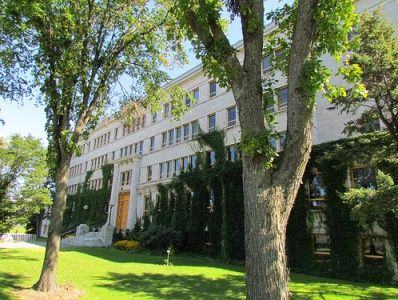
Le CRBF en chiffres (2004)
- 22 chercheurs réguliers
- 11 chercheurs associés
- 150 étudiants gradués
- + de 50 autres membres
Les deux centres de recherche fondateurs ont été créés près de 20 ans avant la fondation du CEF.
Le CRBF a été fondé en 1985 par des chercheurs de l’Université Laval ayant à cœur la recherche et la formation avancée sur la biologie des forêts. De 1986 à 2004, le Centre était reconnu par le Fonds de recherche sur la nature et les technologies (FQRNT), reconnaissance provinciale unique en foresterie. J. André Fortin a été le premier directeur du Centre. Les professeurs Maurice Lalonde, André P. Plamondon, Jean Bousquet, Louis Bernier et André Desrochers lui ont succédé. À ses débuts, le CRBF comptait 7 professeurs-chercheurs et environ 30 étudiants-chercheurs.
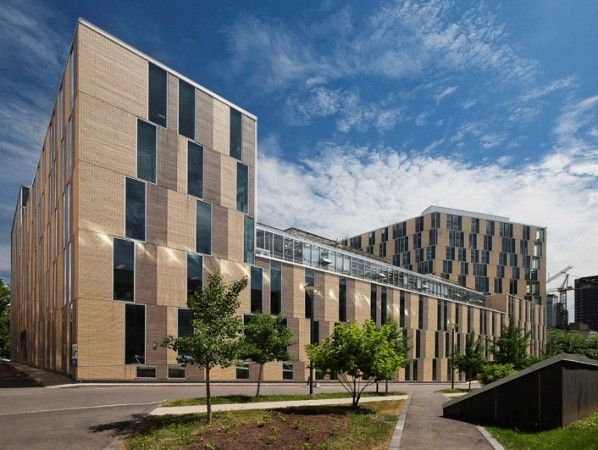
Le GREFi en chiffres (2005)
- 33 chercheurs réguliers
- 27 chercheurs associés
- 150 étudiants gradués
- + de 40 autres membres
Le GREFi a été fondé en 1987 par 3 professeurs du département des sciences biologiques de l'UQAM. En 1997, le GREF devient interuniversitaire. Il réunit des professeurs-chercheurs et des étudiants de 7 institutions universitaires: UQAM, Université McGill, Université Concordia, Université de Montréal, INRS - Institut Armand-Frappier, UQAC et UQAT. Il compte aussi des membres associés dans 8 institutions. Le GREFi réunit des spécialistes de plusieurs disciplines unissant leurs efforts pour mieux comprendre l'écosystème forestier. En 2005, le centre était dirigé par Christian Messier.
Mission
Le Centre d'étude de la forêt intègre les savoirs scientifiques afin de concevoir des stratégies et des pratiques permettant de passer d’une gestion sectorielle à une gestion écosystémique des forêts (autant naturelles qu'urbaines). La gestion des forêts au 21e siècle doit aussi tenir compte de nouveaux phénomènes: invasions biologiques, changements climatiques, fragmentation des habitats, etc.
En réponse à ces défis, le CEF a pour mission scientifique de mieux comprendre le fonctionnement et la dynamique de la forêt, les interactions entre ses composantes et leur biologie propre. Cela dans une perspective conciliant la conservation de la biodiversité et l'augmentation de la productivité des essences commerciales.
La mission du CEF se traduit en 4 axes de recherche:

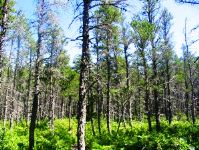
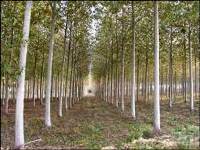
La principale mission sociale du Centre d'étude de la forêt est de former du personnel hautement qualifié dans les domaines rattachés aux 4 axes de sa programmation de recherche. Il contribue aussi au transfert des connaissances auprès de ses partenaires et du public grâce à une collaboration soutenue avec les organismes de transfert d’information.
Le CEF est soucieux de former une relève d'envergure internationale capable de relever les nouveaux défis d'aménagement et de conservation des forêts. Pour ce faire, il finance les stages internationaux, les visites de chercheurs renommés, les cours thématiques et les colloques annue ls. Aussi, il a mis sur pied un réseau intégré de professionnels de recherche spécialisés au service des chercheurs et des étudiants du centre.
Pôles régionaux du CEF
Les universités participantes du CEF sont regroupées en 4 pôles régionaux offrant un support logistique et administratif aux membres. Chaque pôle est représenté par un membre régulier sur le comité exécutif. Les professionnels de recherche du CEF sont également répartis dans les 4 pôles permettant un accès direct aux étudiants dans chacun d'eux.
Pôle de Montréal
- Université du Québec à Montréal (UQAM)
- Université McGill
- Université de Montréal
- Université Concordia
- Université du Québec en Outaouais (UQO)
- TÉLUQ
Pôle de l'Est
- Université Laval
- Université du Québec à Chicoutimi (UQAC)
- Université du Québec à Rimouski (UQAR)
Pôle d'Abitibi-Témiscamingue
- Université du Québec en Abitibi-Témiscamingue (UQAT)
Pôle de
Sherbrooke
- Université de Sherbrooke
Comité exécutif et direction du CEF
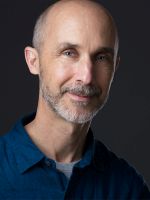
Daniel Kneeshaw
Codirecteur

Annie Deslauriers
Codirectrice
Représentation des pôles, des membres associés et des étudiants
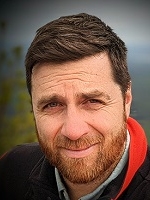
Yan Boucher
Représentant du pôle de l'Est
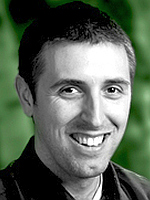
François Girard
Représentant du pôle de Montréal
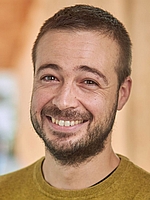
Miguel Montoro Girona
Représentant du pôle d'Abitibi-Témiscamingue

Isabelle Laforest-Lapointe
Représentante du pôle de Sherbrooke
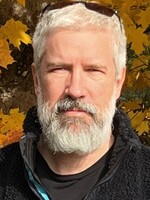
Martin Barrette
Représentant des membres associés et gouvernementaux

Julie-Pascale Labrecque-Foy
Représentante des membres étudiants
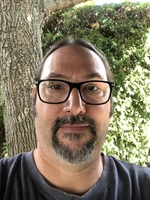
Luc Lauzon
Secrétaire
Représentation étudiante des pôles administratifs
Le rôle de la représentation étudiante des 4 pôles administratifs du CEF est de faire le lien entre les étudiantes et étudiants de chaque pôle et le Comité exécutif du CEF. Ils sont là pour s’assurer d’une bonne communication, pour informer le Comité exécutif des besoins des étudiantes et étudiants (support financier, activités scientifiques, etc.) et s'assurent d'informer leurs pairs des décisions prises en comité.
Un membre étudiant siège au Comité exécutif avec droit de vote. Le représentant étudiant est choisi parmi les représentants étudiants des pôles administratifs.

Aya Garfa
Représentant du pôle de l'Est
Julien Bilodeau-Colbert
Représentant du pôle de Montréal
Julie-Pascale Labrecque-Foy
Représentante du pôle d'Abitibi-Témiscamingue
Meghana Paranjape
Représentante du pôle de Sherbrooke
Directeur du CEF-ULaval
En tant que Centre de recherche reconnu de l’Université Laval, la composante lavalloise du CEF possède sa propre direction. Le directeur est un membre régulier du CEF, chercheur à l'Université Laval, élu par les membres réguliers du CEF de l'Université Laval. Celui-ci s’assure de maintenir un lien avec le comité exécutif et la représentante étudiante du pôle de l'Est.

Marc Mazerolle
Directeur du CEF-ULaval